History & Usage
of Shea Butter

Shea butter? Sounds soothing, right? And it is, to so many parts of the body. This rich nut oil has offered benefits to humans for centuries. It has also made its way into many of the skin and hair products we use every day. Safe for most skin types, it contains vitamins and fatty acids that offer hydration and has calming properties. Here we share all the benefits of the natural butter, common myths, and how to use shea on your skin and hair.

What is Shea Butter?

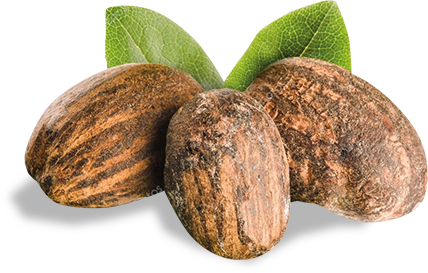
This butter originates in the nuts of the sacred Central Africa Karite tree. The plant lipid is extracted from the nuts. Due to the vitamins, antioxidants, and fatty acids it has long been used medicinally and for skin and hair treatments. The five essential fatty acids include phytosterols, vitamins E and D, allantoin, and vitamin A. It is also rich in stearic and oleic acids. The Food and Drug Administration has determined that shea nut oil is affirmed as a Generally Recognized as Safe product.

Benefits to Hair

Shea butter provides the moisture your hair needs to be healthy. Due to its skinsoothing properties, it can help to condition the scalp, reducing dandruff. Shea helps to seal in the moisture, helping to strengthen your hair and prevent breakage. As shea butter can build up on the roots of the hair, if you have this issue it is best used on the ends of the hair to prevent split ends. If not, you can use shear butter to give your hair volume by applying it to the roots when you are styling your hair. You can use it daily as a conditioner and simply rinse it out. It can also be used in small amounts as a leave-in conditioner. When using it on your hair, warm it to soften then rub it through your hair and scalp. Leave it on for a 30-minute hair mask. You can then rinse, shampoo, and condition as you normally would.

Benefits to Skin

This seed-derived oil is perfect for refreshing your skin as they imitate the oils that are naturally occurring in human skin. Dry, dull skin can be soothed by shea butter as it locks in moisture by providing a barrier on the surface. The anti-inflammatory butter also helps to revitalize the skin. And the vitamin A and E that it includes reduces the signs of aging. The shea butter encourages tissue cell regeneration and softens the skin, diminishing the look of lines, scars, and wrinkles. Collagen is boosted which plumps the skin. Irritated skin can benefit from its soothing properties. Shea butter neutralizes free radicals, fading age spots. It is best used on the face overnight as it does not work well under makeup. Not just for the face, rub down with shea butter for a full-body moisturizing. Keep your hands soft with a touch of warmed shea butter.

Benefits of Shea on Lips

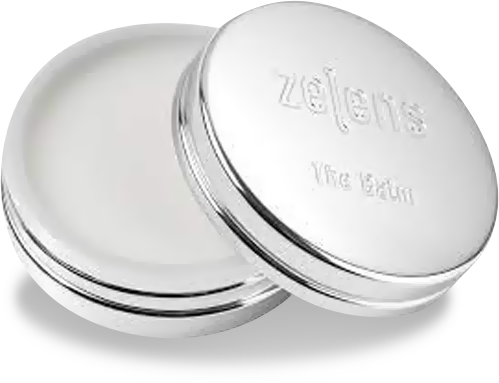
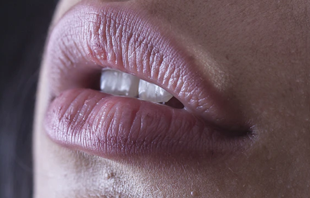
Pucker up and spread on melted shea butter. Apply it directly or make your own lipbalms by using a tin or tube. Before using it, let it cool for 20 minutes uncovered.

Benefits of Shea on Wind and Sun Burned Skin

In the summer or winter, the air around us can dry out the skin and cause itching. Shea butter penetrates deep into the skin, moisturizing it down to its deepest levels. Use it anywhere youget dry, especially cracked, and dry heels, hands, elbows, and knees.Although it has only a 6 SPF, it gives natural protection against the harmful rays of the sun.It is also the perfect remedy for sunburns.
Benefits of Shea on Stretch Marks

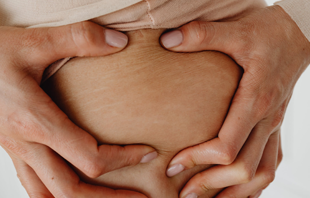
We aren’t trying to be perfect, but sometimes we wish we could diminish the look of our hard-earned stretch marks. Shea butter offers help due to its vitamin A content. Rub it on to help improve the appearance of stretch marks and cellulite.

Benefits of Shea on Baby Rashes

Soothe your baby’s bum with just a bit of shea butter. Better than store-bought diaper rashointments, the anti-inflammatory and anti-fungal properties help to ward off yeast. The cellregeneration and collagen production shea offer help to quickly heal diaper rashes.
What You May Have Heard About Shea

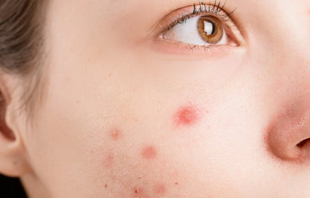
As it is an oil, some believe that shea butter will clog pores and make acne worse. But it is non-comedogenic. The fatty acids it contains are like the sebum we naturally produce. It can help to prevent acne breakouts. It restores the natural balance of oils in the skin, putting a stop to those breakouts. Shea butter also has linoleic and oleic acids that balance each other out, making shea butter easy to absorb into the skin. Due to this, you will not have an oily appearance when using it.

What in Shea Butter Creates the Magic?

Shea gets its magic from its chemical makeup. You will find all these beneficial natural ingredients in shea butter:

Ready to Use Shea Butter?

Rub shea butter in your hands for a few seconds to make it easier to use.

Using pure shea butter ensures you are getting all its beneficial properties

Simply rub it in until it is fully absorbed into the skin.

When using it on hair, make sure it is absorbed into the hair before rinsing it out.

When using as a leave-in conditioner, only use a small amount.

Store shea butter slightly below room temperature.

Those with nut allergies should be careful. While there are no documented cases of topical allergies and it is low in allergy-triggering proteins, you could experience an adverse reaction. Try it in a small amount on one area of your skin and discontinue use if you have a reaction.