
One of the most common aromatic ingredients in skin care and aromatherapy is lavender. The plant itself has delicate purple buds and the health benefits have been talked about since Ancient Egypt.

History Of Lavender

The name ‘lavender’ comes from the Latin root “lavare,” meaning “to wash.” Thousands of years ago in Ancient Egypt, the first records of the use of lavender were made, with lavender oil being used during the mummification process.

Later, lavender was added to baths in many regions, including Persia, Ancient Greece, and Ancient Rome. It was believed that the lavender would help to purify the body and the mind.

Since then, lavender has been used to help treat a variety of issues, including mental health issues like anxiety, insomnia, and even hair loss.
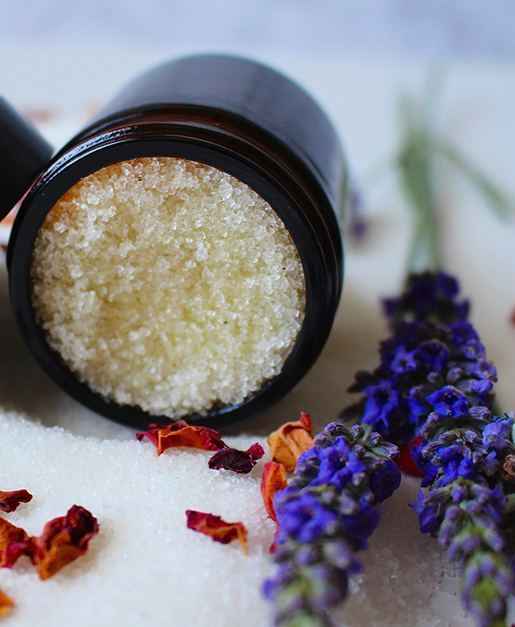
History Of Lavender

Today, the majority of lavender is grown in Africa and the Mediterranean mountains, typically for the extraction of its oils. However, there are many options for including lavender in your daily life.

To use lavender oil, you should dilute it first. You can use it in an essential oil diffuser or directly on your skin. This
application of lavender directly to the skin can actually
be highly beneficial for certain skin issues.

Lavender is also being added more and more frequently to soaps, lotions and moisturizers. To use these, simply follow the product instructions. According to experts,
lavender-based products like these can be applied to any
part of your body as described by the manufacturers.

Benefits Of Lavender

There are a litany of benefits to using lavender. One of the most often referred to benefits is that lavender can help you fight insomnia. In fact, lavender was once placed inside pillows in the hopes it could help people suffering from sleeplessness. One reason for this is the claim that lavender can help with headaches and in easing anxiety. In Germany, there’s even a tea made from lavender that is approved as a supplement to help with sleep disruptions, restlessness, and stomach irritation.

Lavender has also been said to help with certain skin and hair conditions, one of which is alopecia aerate which causes a person’s hair to fall out in patches. A study published in the Archives of
Dermatology found that those who rubbed essential oils – including lavender, thyme, rosemary, and cedar wood – on the areas where hair was falling out experienced better regrowth over a seven month period. Lavender has also been used to aid in the treatment of skin issues like eczema, acne, sunburns, and diaper rash.

An use of lavender is to treat fungal infections. The Journal of Medical Microbiology published a study where they found lavender oil could effectively fight antifungal-resistant infections, even discovering that lavender oil was lethal to certain fungal strains. Along with that, lavender oil has been studied in wound healing, with the journal Evidence-Based Complementary and Alternative Medicine finding that rats treated with lavender oil on their wounds experienced faster healing than those left to heal naturally.

Takeaways

Whether you’re using it as an aromatherapy to ease your anxiety, as a sleep aid, or to heal a scrape a little faster, lavender oil is a well-established homeopathic remedy. More than just a nice smell, its uses have been proven for thousands of years. With that longevity, lavender appears to be here to stay and with that we can all breathe a sigh of relief.